Hunger is one of the most painful realities faced by millions of families. It is silent, it is invisible, and it often hides inside the walls of homes where parents skip meals so their children can eat, where mothers cry quietly because they have no groceries to cook, and where children go to sleep with empty stomachs. Hunger doesn’t just affect health—it affects dignity, hope, and the future of entire communities.
At MusaCare Foundation, we believe that no human being should have to struggle for a basic meal. Food is a fundamental right, not a privilege. But the sad truth is that poverty, unemployment, inflation, disasters, and emergencies make it impossible for many families to afford regular meals.
This blog highlights why feeding programs are essential, what hunger looks like in real communities, and how MusaCare Foundation is making sure families get the nourishment they deserve.
Hunger: A Hidden Crisis Many Don’t See
Hunger isn’t always obvious. In many low-income neighborhoods, families might still smile, children might still play, and parents might still go to work—but behind closed doors, their kitchen shelves are empty.
Here are some painful realities we see daily:
- Families survive on tea and bread for days.
- Children attend school without breakfast.
- Elderly people struggle because their pensions or support are not enough.
- Single mothers skip meals to feed their kids.
- Daily-wage earners have no food on days when they can’t find work.
- Disasters destroy food supplies, leaving households helpless.
This kind of hunger is different from starvation—it is a slow, painful form of deprivation that affects both physical and emotional health.
Why Feeding Programs are Essential in Today’s World
Food relief is one of the most urgent needs in struggling communities. Here’s why feeding programs are a lifeline:
1. They bring immediate relief
A single food pack can feed a family for days, giving them stability and reducing stress.
2. They protect children’s health
Malnutrition affects brain development, growth, and immunity. Feeding programs help prevent this.
3. They support pregnant and lactating women
Mothers need proper nutrition for safe pregnancies and healthy babies.
4. They help elderly individuals survive
Many elderly people live alone or have very limited income.
5. They reduce pressure from families already facing financial struggles
When food is covered, families can focus on other essentials like rent, medicine, or school fees.
Food is hope. It tells families, “You’re not alone. Someone cares.”
How MusaCare Foundation Supports Families with Food Relief
Feeding the hungry is one of the strongest and most active missions of MusaCare Foundation. Our food relief programs run throughout the year—and become even stronger during crises like floods, heatwaves, and inflation spikes.
Here’s how we structure our food support:
1. Monthly Ration Distribution Drives
Many families rely on us for their monthly food supply. Our ration packs are carefully designed to support a household for weeks.
Each pack usually includes:
- Flour
- Rice
- Lentils
- Oil
- Sugar
- Tea
- Salt and spices
- Biscuits
- Chickpeas
- Other essentials depending on need
These ration packs give families dignity—they can cook proper meals at home without asking anyone for help.
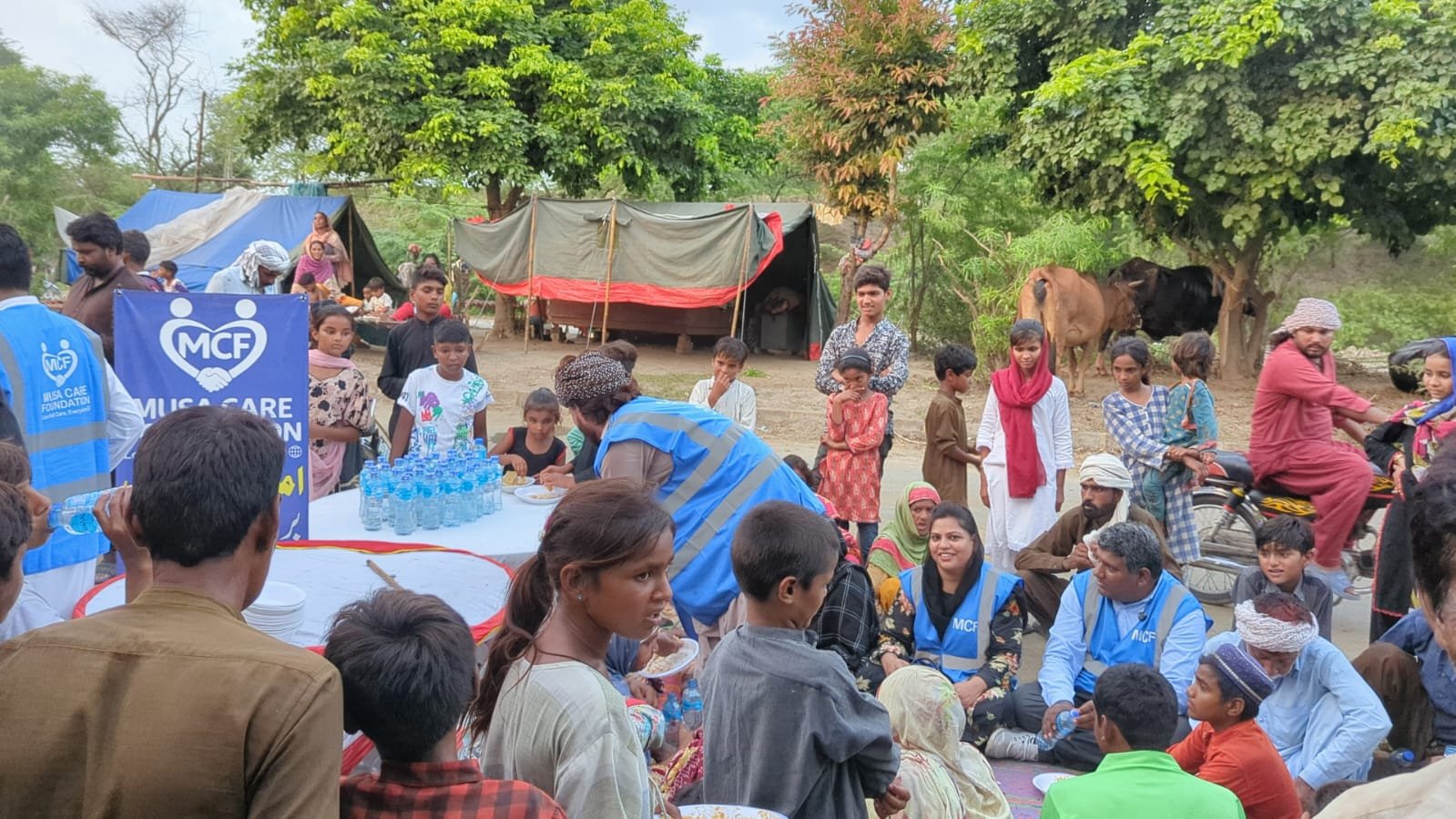
2. Cooked Meal Distribution
Sometimes, families need immediate food. This is especially true during:
- Floods
- Fires
- Extreme heatwaves
- Winter emergencies
- Medical crises
- Sudden unemployment
In such cases, we distribute ready-to-eat meals such as:
- Biryani
- Pulao
- Dal chawal
- Roti with sabzi
- Freshly cooked nutritious meals
Each meal is prepared with hygiene and care. For many, it becomes the only proper meal they eat that day.
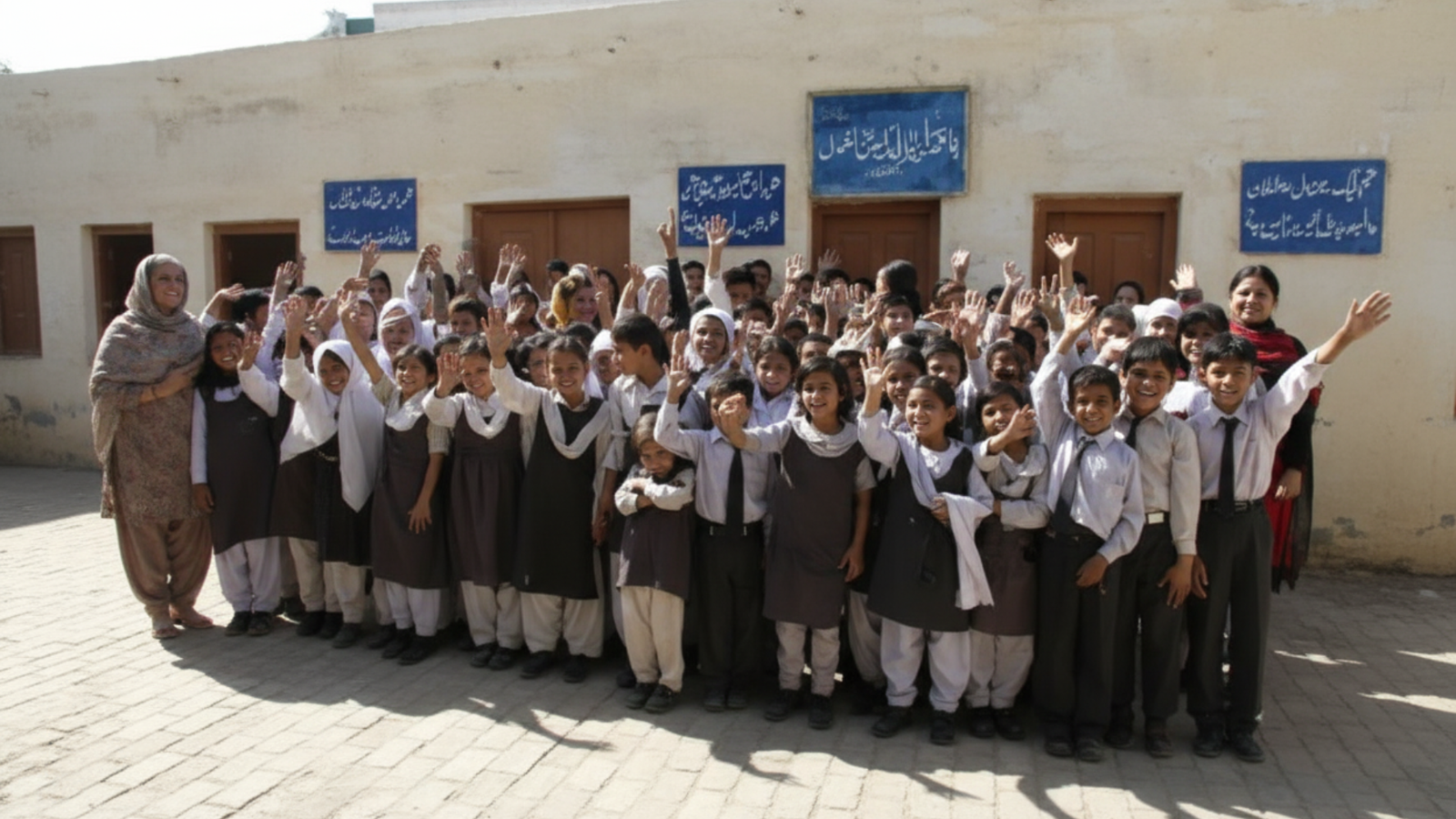
3. Feeding Children in Schools and Communities
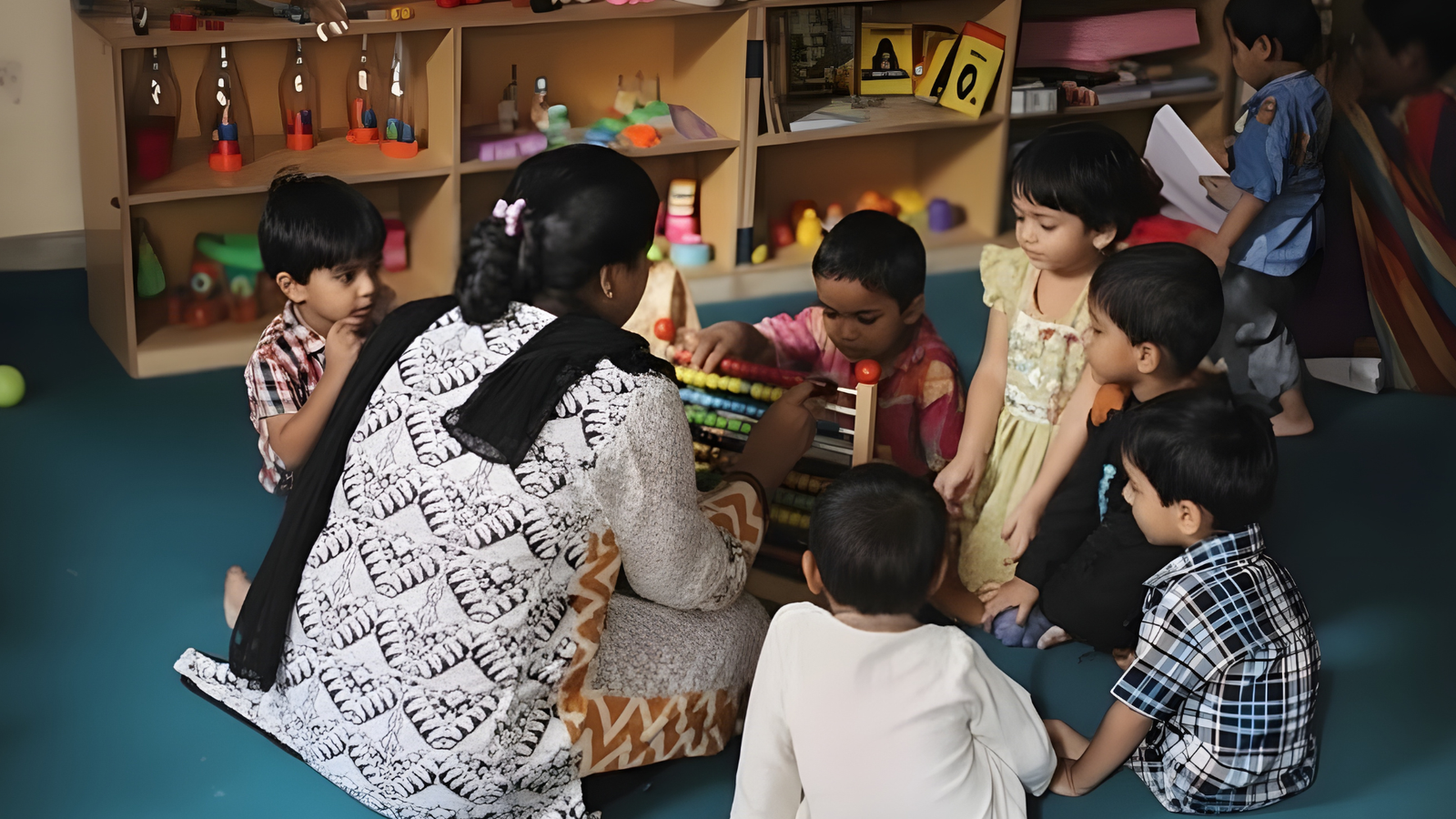
Hunger affects children the most. It makes them weak, reduces concentration, and affects their studies. We run various feeding initiatives especially for children:
- Nutritious snack packs
- School lunch support
- Milk distribution
- Fruit drives
- Healthy biscuits and snacks
These small efforts help children stay active, healthy, and ready to learn.
4. Ramadan & Eid Food Programs
Ramadan is a month of giving, and hunger becomes especially difficult for families who can’t afford sehri or iftar.
Every Ramadan, MusaCare Foundation provides:
- Iftar packs
- Sehri rations
- Cooked iftar meals
- Eid food support
- Special sweet and dessert distribution for children
These programs help families enjoy Ramadan with dignity and peace.
5. Emergency Food Support During Disasters
Floods, heavy rain, and storms often destroy food supplies completely. During such times, we distribute:
- Water bottles
- Dry food packs
- Ready-to-eat meals
- High-energy biscuits for children
- Baby milk
- Food items that don’t spoil easily
These items help families survive until they can return home safely.
6. Supporting Special Needs Families
Some households face more challenges than others—families with disabled individuals, widows, elderly people, or parents with long-term illnesses. These families need continuous support.
We provide:
- Monthly rations
- Nutritional support
- Special diet items (milk, oats, fruits)
- Home delivery for those who cannot travel
When life becomes hard for them, we make sure food is never one of their worries.
Real Stories of Hope from MusaCare Foundation’s Food Drives
Every food distribution event brings stories that stay with us forever.
There’s the mother of three who told us she had not cooked a proper meal in a week because she couldn’t afford oil or lentils. When she received our ration pack, she broke down, saying she finally felt human again.
There’s the elderly man who had trouble walking. He hadn’t eaten anything except tea for two days. Our volunteers delivered a meal to his home, and he said it felt like God had sent help at the perfect time.
And there’s the little boy who came to our food stall during a hot day. He asked if he could take one extra fruit for his little sister at home. Moments like these remind us why we work, why we give, and why feeding programs matter so deeply.
How Feeding Programs Improve Communities Long-Term
Food support does more than fill stomachs—it changes lives.
Here’s how communities benefit:
- Children perform better in school
- Families focus on work instead of searching for food
- Malnutrition decreases
- Community stress reduces
- Elderly individuals live with dignity
- Poor families feel supported and motivated
- Health improves
- Crimes caused by hunger reduce
A nourished community is a stronger community.
How You Can Help Feed Hungry Families
Every person has the power to make someone’s life easier. Here’s how you can contribute:
- Sponsor a ration pack
- Donate groceries
- Fund cooked meals for a day
- Support school lunch programs
- Provide baby food
- Contribute fruits for children
- Volunteer at food drives
- Spread awareness online
- Help us identify families in urgent need
Even a small contribution can feed an entire family.
MusaCare Foundation’s Vision for a Hunger-Free Community
Our long-term goal is to create a support system where no family ever sleeps hungry. To achieve this, we aim to:
- Increase monthly ration beneficiaries
- Build community kitchens
- Launch mobile food trucks
- Partner with restaurants for leftover food distribution
- Expand feeding programs to more cities
- Support schools with daily meal programs
- Build volunteer teams for quick food response
Whether it’s a normal day or a crisis, food will always remain at the heart of our mission.
Final Thoughts
Food is not just nourishment—it is comfort, security, and hope. When families know they have food for the day, they feel safer, stronger, and more able to face life’s challenges. At MusaCare Foundation, feeding programs reflect our belief that humanity starts with sharing what we have.
A single meal can make a child smile.
A ration pack can ease a mother’s worries.
A food drive can restore dignity to a struggling family.
Together, we can ensure that no one sleeps hungry. Together, we can build a kinder, stronger, and more compassionate community.